
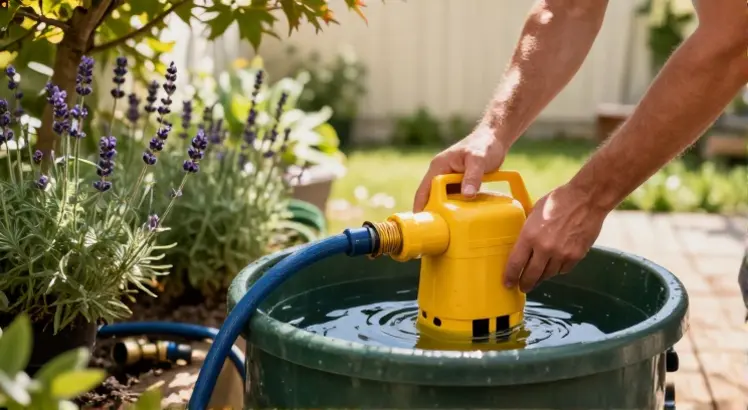
Standing water can quickly turn from a minor nuisance into a major problem, threatening your foundation or ruining your garden. Knowing exactly how to use a water transfer pump gives you the power to move large volumes of water safely and efficiently without waiting for professional help. Whether you are draining a pool, emptying a flooded window well, or irrigating from a rain barrel, the process remains fundamentally the same. This guide walks you through the entire operation, from setup to storage, so you can tackle the job with zero guesswork.
Using this tool is not simply about plugging it in and dropping a hose in the water. Proper placement and priming are the secrets to avoiding motor burnout and achieving maximum flow. We will also cover the critical differences between running a gasoline engine and an electric motor. By the time you finish reading, you will understand not just the steps, but the physics behind why the pump works the way it does.
What Is a Water Transfer Pump and How Does It Work

A water transfer pump is a versatile piece of equipment designed to move water from one location to another quickly. Unlike a sump pump that handles high pressure, a transfer pump prioritizes high volume. It uses an impeller to create a low-pressure zone, drawing water in and pushing it out through a discharge hose. These pumps are perfect for applications where you need to relocate clean or slightly debris-filled water over a flat or slightly inclined area.
There are two main categories you will encounter: electric and gas-powered. Electric pumps are quieter, lighter, and ideal for enclosed spaces or frequent start-and-stop tasks. Gas-powered pumps offer more muscle and portability, allowing you to work in remote areas where an extension cord cannot reach.

Milwaukee M18 Transfer Pump
Check Price- Transfer Pumps vs. Sump Pumps: Transfer pumps are portable and placed out of the water, while sump pumps sit inside a basin.
- Common Uses: Draining hot tubs, emptying swimming pool covers, flooding garden beds, and moving water from a rain collection tank.
Essential Safety Precautions Before You Start

115V 1/10HP Electric Utility Pump with Hose Kit
Check PriceBefore learning how to use a water transfer pump effectively, you must establish a safety-first mindset, as water and energy are a dangerous mix. Always inspect your cords and outlets before plugging in an electric model. Never operate an electric pump while standing in water, even with insulated boots.
For gas-powered units, carbon monoxide poisoning is a serious threat. You must never run the engine inside a basement, garage, or any enclosed space, even if the doors are open. The silent buildup of fumes can be lethal, so always operate gas pumps at least 20 feet away from any open windows or intake vents.
- Electrical Safety: Always plug into a Ground Fault Circuit Interrupter (GFCI) outlet to prevent electrocution.
- Securing Hoses: Discharge hoses can whip under high pressure. Secure the output end firmly to prevent it from falling out and spraying you.
- Protective Gear: Wear eye protection and waterproof gloves, especially if draining standing water that might contain contaminants or bacteria.
How to Use a Water Transfer Pump: Step-by-Step Guide

The operation is a straightforward linear process, but skipping one step, like priming, will stop you in your tracks. Follow these stages strictly to ensure your pump moves water within seconds of turning it on.
Step 1: Positioning the Pump and Hoses
Place the pump as close to the water source as possible on a flat, stable surface. The pump must sit higher than the water source to prevent water from back-siphoning into the motor. Keep the intake hose as short as possible, because a shorter suction line means faster priming and less strain on the motor.
Attach the reinforced suction hose to the intake port. A common mistake is using a standard garden hose for the suction side. The suction power will collapse a flimsy hose, cutting off flow and damaging the pump. Always use a rigid, reinforced hose for the intake, while a flat discharge hose works fine for the output side.
When placing the output hose, route it to an area that can handle fast drainage without eroding your soil. Make sure the discharge point is not restricted by kinks or sharp bends.
Step 2: Priming the Pump Chamber
Priming fills the pump housing with water to create the suction required to pull liquid. Most transfer pumps are not self-priming, meaning they cannot pump air. Without manual priming, the impeller will spin dry, melt the shaft seal, and ruin the pump within minutes.
Remove the large priming plug on top of the pump body. Using a clean bucket or a garden hose, fill the entire cavity until water overflows. Replace the plug tightly. If you hear water draining away quickly, check the drain plug at the bottom, it might be loose. This water cushion allows the impeller to create the vacuum needed to pull water from the source.
Step 3: Starting the Motor
If you have an electric pump, plug it in and flip the switch. The sound should change from a rattling hum to a smooth whir once water starts moving. Immediately check the discharge hose for flow. If no water comes out in 30 seconds, turn it off and re-prime.
For a gas-powered model, verify the oil level first, then set the choke and throttle. Start the engine and gradually open the throttle to the set recommended speed. Never rev a gas pump to its absolute maximum, as they are tuned to operate best at about 80% throttle. Let the engine warm up for a minute before pulling heavy water.
Step 4: Monitoring the Operation
Don’t walk away completely while the pump is running. Monitor the intake screen to ensure it stays submerged. If the pump sucks air, the prime will break, and the housing will overheat. Clear any leaves or debris from the intake strainer regularly.
Watch the water temperature if you are recirculating water, though most transfer pumps rely on the water passing through to cool the motor. A steady, clear stream indicates success. If the flow seems sluggish, check for a kinked inlet hose or a clogged impeller. A good indicator of a well-sized setup is a consistent, solid flow that pushes water effectively without the pump body feeling scorching to the touch.
Optimizing Performance for Different Water Types

KITLUCK 330GPH Water Transfer Pump
Check PriceThe technique for clean pool water differs from draining a muddy construction trench. Clean water applications allow you to use smaller inlet screens and standard impellers. If you need to move water with a small electric pump, you can often get away with lower horsepower, but always prioritize a clean intake.
When dealing with dirty water, invest in a semi-trash or trash pump if solids are larger than a quarter-inch. For standard transfer pumps, you must wrap the intake strainer with a fine mesh screen or cheesecloth. Crushing the impeller with gravel or sticks will destroy the volute case. Maintaining a buffer of water prevents sediment from settling and blocking the intake.
- Slimy Pools: Add a little pool shock before pumping out if you plan to run the water onto your grass to avoid killing your lawn.
- Rain Barrels: Keep the intake floating just below the surface to avoid sucking up the sediment that settles on the bottom.
Common Mistakes and Troubleshooting Issues

ECO-WORTHY 33-Series Pressure Pump
Check PriceEven when you know the basics, small errors can make the unit seem broken. The most frequent complaint is a pump that runs but refuses to move water. This is nearly always a priming or air leak issue. Check the gasket on the intake hose and use thread seal tape on the fittings to prevent air from sneaking in.
Another common issue is tripping the breaker. Pumps draw a huge surge of amperage on startup. Plugging into an overloaded 15-amp garage circuit with a freezer running on the same line will trip the breaker instantly. Dedicate a clean 20-amp circuit to the pump if possible.
If you find the pump motor buzzing but not turning, the impeller might be jammed. Unplug it, remove the front cover, and clean out any debris wrapped around the drive shaft. This is common after draining a pool cover that has collected twigs and leaves over the winter.
Proper Cleaning and Storage After Use

DEWALT 20V MAX Transfer Pump
Check PriceYou must winterize a reliable water transfer pump or it will crack when temperatures drop. Start by disconnecting both hoses and tipping the pump on its side to drain every drop of water from the housing. Leave the priming plug and drain plug open in storage to allow air circulation and prevent mildew.
Flush the pump with clean water if you used it for saltwater or chlorinated applications. Salt crystals will corrode the aluminum housing faster than you think. For gas engines, drain the fuel system completely or add a fuel stabilizer. Old fuel gumming up the carburetor is the number one reason pumps fail to start the following spring.
Coil hoses loosely without kinks and store them indoors if possible. UV sunlight hardens the rubber in discharge hoses, causing micro-cracks that will burst under pressure later. Taking ten minutes to clean and drain now saves you eighty bucks on a replacement impeller kit later.
Choosing the Right Pump for Your Needs

ECO-WORTHY 5.5GPM Booster Pump
Check PriceSelecting the proper machine is just as vital as understanding the procedure. The horsepower rating determines the gallons per minute (GPM), not the pressure. If you are simply moving water across a flat yard, a standard utility pump works fine. But if you need to lift water uphill, you require higher head pressure.
According to industry insights, proper pump sizing can reduce energy waste and equipment strain dramatically. The U.S. Department of Energy has excellent resources on pumping systems that explain how efficiency correlates with correct initial sizing and setup. Choosing a pump that is too powerful for a small job wastes fuel or electricity, while an undersized pump will overheat trying to keep up with a large flood.
Frequently Asked Questions
FIDISP 12V Electric Utility Pump
Check PriceWhy does my transfer pump keep losing prime?
Losing prime usually points to an air leak on the suction side of the hose. Inspect the rubber gasket inside the hose fitting and ensure the hose clamp is tight. A cracked hose or a loose priming plug will also let air in and break the vacuum. Replace any suspect seals immediately.
Can I use a water transfer pump to increase home water pressure?
No, a transfer pump is designed for high volume and low pressure. For boosting home pressure, you need a booster pump designed to work with a pressure switch. Using a transfer pump in a closed system could rupture your plumbing pipes.
How long can I continuously run the pump?
Most electric utility pumps are rated for intermittent duty, not continuous 24/7 operation. Check your manual for a duty cycle rating. Gas pumps with a well-maintained engine can generally run for several hours, as long as the suction source remains unobstructed and full of water.
Is it safe to pump water uphill?
Yes, but you must respect the max head rating. This rating tells you the vertical distance the pump can push water. For every foot of vertical rise, you lose significant horizontal flow distance. Place the pump halfway down the slope if the lift is too great for a single unit.
Conclusion
Mastering how to use a water transfer pump comes down to precision in preparation rather than brute force during operation. The secret lies almost entirely in priming the chamber correctly and securing airtight connections on the inlet side. Once you fix these two fundamentals, the motor does all the heavy lifting for you.
Start with a strategy: position the pump close, prime it fully, and check your power source before turning the switch. Respect the machine’s limitations regarding debris and lift height, and always store it bone dry to prevent freeze damage. Follow these steps, and you will solve your standing water dilemma in a single afternoon without damaging your equipment.
