
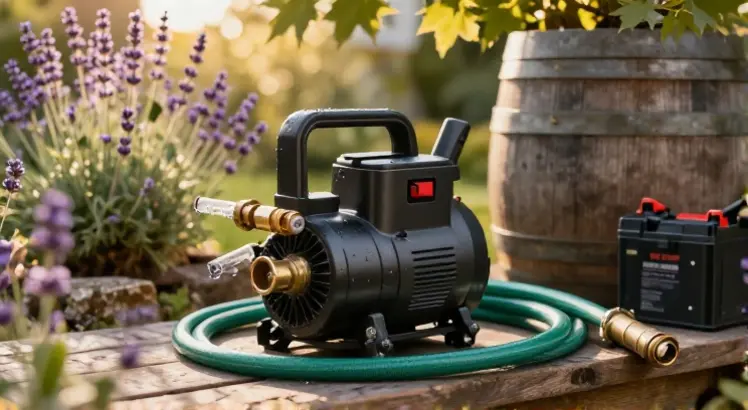
Getting water to a remote garden bed or cleaning equipment far from a spigot can be a real headache. A garden hose pump 12V solves this problem by letting you move water anywhere using a car battery or a portable power station. These compact, low-voltage pumps are not just for RVs and campers, they are becoming a staple for off-grid gardeners and DIY enthusiasts. Understanding how they work and what to look for will save you time and frustration.
What Is a Garden Hose Pump 12V?

Gidrox 12V RV Water Pump, 4.0 GPM 45 PSI Diaphragm Pump
Check PriceA 12V garden hose pump is a small, electrically driven water pump designed to run on a 12-volt DC power source. Most models thread directly onto a standard garden hose or a water tank outlet. The pump pulls water from a stored source, like a rain barrel or a collapsible tank, and pushes it through your hose with enough pressure to run a sprinkler or a spray nozzle. Because it uses low voltage, it is safe to use in wet conditions and can be powered by a deep-cycle battery, a vehicle’s accessory port, or a solar panel setup.
Unlike a traditional AC transfer pump that stays in the garage, a 12V unit is designed for portability. You can throw it in the back of a truck and take it to a community garden plot or a remote field. It is the missing link between a static water source and a functional garden hose where no pressure exists.
How Does a 12V Water Pump Work?

FIDISP 12V Electric Utility Pump
Check PriceMost 12V pumps for garden hoses use a diaphragm or an impeller design. Diaphragm pumps excel at self-priming, meaning they can lift water from a tank sitting below the pump level. They use a flexible membrane that moves back and forth to create suction and discharge. Impeller pumps, on the other hand, move water using rotating vanes and work best when the water source is gravity-fed, like a tank placed higher than the pump.
When you connect the pump to a 12V battery, the motor spins the mechanism inside. This creates a pressure differential that sucks water in through the inlet and forces it out through the garden hose fitting. A built-in pressure switch is a critical feature you will find on many models. It automatically turns the pump on when you open the spray nozzle and shuts it off when you close it, mimicking the behavior of a household tap.
Types of 12V Garden Hose Pumps

ECO-WORTHY RV Fresh Water Pump 12V DC 3.5GPM 45PSI with Pressure Switch
Check PriceNot all 12V pumps are built the same. Choosing the right type depends on your water source and how you plan to use the hose. Here are the three main categories you will run into.
1. On-Demand Diaphragm Pumps
These are the most versatile pumps for garden use. They are quiet, self-priming, and can run dry for short periods without damage. Because they have a built-in pressure switch, they only run when you are spraying water. This saves battery power and makes them perfect for tasks like watering flower beds from a rainwater collection tank.
2. Submersible 12V Pumps
Submersible pumps are dropped directly into a water source, like a pond or a large barrel. They push water up through the hose without needing to prime. While they are extremely easy to set up, they usually produce lower pressure than diaphragm pumps. They are ideal for filling storage tanks or running a gentle drip irrigation line, but they might struggle to power a standard impact sprinkler.
3. Portable Transfer Pumps
These are often sold as utility pumps with quick-connect hose fittings. They are designed for high flow rates rather than high pressure, making them great for draining a hot tub or moving water from one barrel to another. If you need to run a sprinkler, you will need to check the pump’s pressure rating, measured in PSI, to ensure it can lift the water as far as you need.
Key Benefits of Using a 12V Pump

VEVOR Water Diaphragm Pump, 12V DC, 5.5 GPM Flow, 70 PSI Rated Pressure (40-100 PSI Adjustable)
Check PriceWhy switch to a 12V system instead of a gas-powered water pump or a long extension cord? The advantages go beyond just going green. Here is what makes these pumps stand out.
- Portability and Off-Grid Power: You can run them from a lithium battery box or a vehicle. This is a game changer for allotments, horse trailer washing, and remote construction cleanup.
- Quiet Operation: A diaphragm pump hums quietly, unlike a gas engine that roars. You can water your garden early in the morning without waking the neighbors.
- Automatic Shut-Off: The pressure switch prevents the pump from dead-heading and overheating. It mimics the convenience of a home faucet, extending the life of the pump significantly.
- Low Maintenance: There are no spark plugs, oil changes, or stale fuel to worry about. Just keep the inlet filter clean, and the pump will run reliably for years.
How to Choose the Right 12V Pump for Your Needs

FLOWPAC 12V DC Water Pump 1/10HP Electric Water Pump Utility Pump Black
Check PricePicking the right pump involves matching the specifications on the box to your real-world gardening tasks. Do not just buy the cheapest pump on the shelf, or you will end up with a trickle of water instead of a powerful spray. Focus on these three numbers.
Pressure Rating (PSI)
PSI tells you how much force the water has when it leaves the pump. If you want to run a standard oscillating sprinkler or a spray gun, you need at least 40 to 50 PSI. For a simple soaker hose or filling a bucket, 20 to 30 PSI is usually enough. Always check the PSI rating at the specific flow rate you intend to use, because pressure drops as flow increases.
Flow Rate (GPM)
Gallons per minute measures how much water the pump can move. A higher flow rate means you can fill a tank faster or run multiple sprinklers on a splitter, provided the pressure holds up. Most garden hose pumps range from 1.0 to 5.0 GPM. For general watering, a pump in the 2.0 to 3.0 GPM range balances speed and battery consumption well.
Hose and Fitting Compatibility
FIDISP 12V Electric Utility Pump
Check PriceYou need to make sure the pump’s threads match your gear. Some pumps come with standard 3/4-inch garden hose fittings, while others use barbed connections for vinyl tubing. For a true plug-and-play experience, look for a pump labeled with GH (Garden Hose) threads. If you are connecting the pump to a tank, you also need to think about the suction hose. We have a detailed guide on selecting the right transfer hose that can handle the job without collapsing.
Setting Up Your 12V Garden Hose Pump System
Setting up a 12V garden hose pump is straightforward, but a few steps are critical for safety and performance. You are working with electricity near water, so attention to detail matters.
Start by placing your battery or power station on a dry, elevated surface like a plastic crate. Connect the pump’s leads to the battery using alligator clips or ring terminals, ensuring the red wire goes to the positive terminal. A fuse on the positive line is essential to prevent a short circuit from ruining your battery. Use a deep-cycle marine battery or a lithium power station, as a standard car starting battery will degrade quickly if deeply discharged.
Next, attach a reinforced suction hose to the inlet side of the pump. This hose must be rigid enough not to collapse under vacuum. Place the intake strainer at the bottom of your water source to keep debris out of the pump valves. On the outlet side, screw in your garden hose. If you are using a high-quality water transfer pump, the same principles apply, but you will typically find the hose connections are already optimized for a tight seal.
Prime the pump by filling the inlet hose with water, open the garden hose nozzle, and turn on the power. The pump should start cycling immediately. If it runs but does not pump, check for air leaks at the fittings, as even a tiny leak can prevent the diaphragm from creating a vacuum.
Common Applications and Uses
Gidrox 12V RV Water Pump, 4.0 GPM 45 PSI Diaphragm Pump
Check PriceThe versatility of a 12V pump extends far beyond the standard garden bed. Once you have one, you will find new ways to use it every season.
- Rainwater Harvesting Irrigation: Connect the pump to a rain barrel at the corner of your house. This turns passive storage into a pressurized watering system for your entire lawn.
- RV and Camper Outdoor Showers: With a simple setup, you can pump water from a nearby stream or a portable tank through a garden hose to rinse off sandy feet or wash a muddy dog. The RV water pump setup guide from The Spruce offers excellent tips on wiring these systems safely.
- Remote Equipment Cleaning: If you ride ATVs or mountain bikes, a 12V pump lets you wash off mud right at the trailhead without driving back home with a dirty vehicle.
- Small-Scale Fire Prevention: In areas with a burn ban, a 12V pump pulling from a pool or a tank can be a smart backup for wetting down a fire pit or a brush area.
Maintenance and Troubleshooting
These pumps are tough, but a little care goes a long way. The most common issue is a pump that cycles on and off repeatedly when the nozzle is closed. This usually means there is a leak in the system or the internal check valve has a bit of debris stuck in it. Cleaning the pump head and straining your water source will fix this most of the time.
If the pump fails to prime, check the suction hose. A pinhole leak or a missing O-ring gasket on the intake fitting will suck air instead of water. Lubricating the gasket with a little silicone grease creates a better seal. For winter storage, always drain the pump completely. A single freeze can crack the plastic housing, so keep it in a heated space when the temperature drops.
Battery maintenance is also part of the system. Never let a lead-acid battery sit in a discharged state. A small solar trickle charger is a fantastic companion for a 12V garden hose pump, keeping the battery topped off and ready for the next watering session.
Frequently Asked Questions
Can a 12V pump run a garden sprinkler?
Yes, if the pump delivers at least 40 PSI and a flow rate of 2.0 GPM or higher. Diaphragm pumps with a pressure switch are the best choice for running a standard oscillating or impact sprinkler.
How long will a 12V battery run a water pump?
It depends on the battery capacity and the pump’s amp draw. A typical 4.5-amp pump running on a 35Ah deep-cycle battery can run for roughly 4 to 5 hours of continuous use before the battery needs recharging.
Can I use a car battery to power the pump?
You can, but it is not recommended for long periods. Car starter batteries are designed for short, high-current bursts. Deeply discharging them will damage the battery quickly. A deep-cycle marine battery or a lithium portable power station is a much better investment.
Do I need a pressure tank for a 12V garden hose pump?
Not usually. Most modern on-demand pumps have a built-in bypass or pressure switch that eliminates the need for a separate accumulator tank. Adding a small tank can reduce cycling, but it is not required for basic garden hose use.
Conclusion
A garden hose pump 12V bridges the gap between a passive water source and a functional pressurized hose. It gives you the freedom to water plants, wash equipment, or fill tanks anywhere the sun shines, without the noise and fumes of a gas engine. The secret to success lies in matching the pump’s pressure and flow ratings to your specific task and investing in a solid battery setup.
Start by measuring how much water you need to move and at what pressure. Pair the pump with a quality deep-cycle battery and a sturdy suction hose. With these elements in place, you will have a reliable, portable water system that turns any bucket or barrel into a powerful garden tool. Take the time to maintain the seals and store the pump away from freezing temperatures, and it will serve you well for many seasons.
