
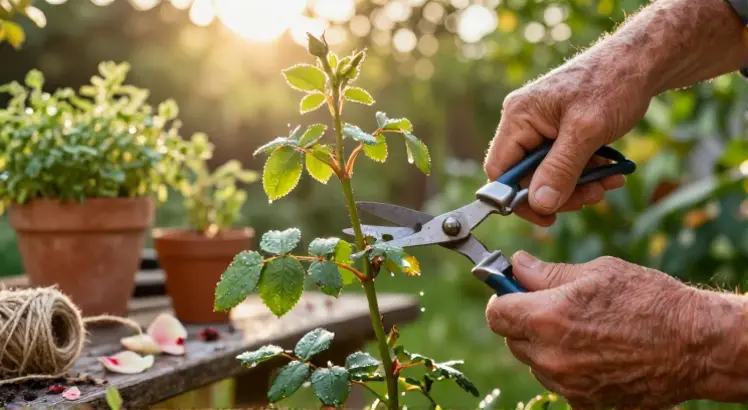
Garden scissors are one of the most underrated tools in your shed. While heavy loppers and shears get much of the attention, the humble pair of snips handles the detailed work that keeps your plants thriving. Understanding the correct use of garden scissors can transform your gardening routine, making tasks like deadheading, harvesting, and shaping plants faster and more precise.
Many beginners grab any pair of scissors from the kitchen drawer and expect clean cuts. True garden scissors are built differently. Their blades slice without crushing tender stems, and their spring loaded handles reduce hand fatigue during long sessions. Once you know how to use them properly and maintain the edge, you will wonder how you ever gardened without them.
This guide walks you through everything you need to know. We cover the types of garden scissors, the right cutting techniques, seasonal tasks, maintenance rituals, and the mistakes that even experienced gardeners make. By the end, you will have the confidence to handle any delicate pruning job with ease.
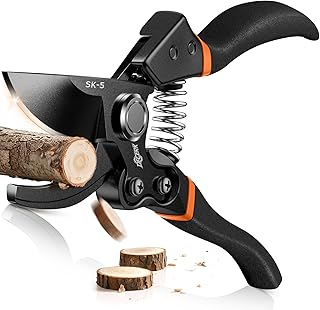
DECERK® 8.5″ Professional Pruning Shears – Cuts 4X Easier with Ultra Sharp Japanese Steel Titanium Blade, Arthritis Friendly Garden Scissors & Plant Clippers, Effortlessly Prunes 3/4″ Branches
Check PriceUnderstanding Garden Scissors: Types and Features
Not all garden scissors are created equal. The best pair for you depends on the work you do most. Recognizing the differences helps you match the tool to the task and avoid unnecessary damage to your plants.
Bypass vs. Anvil Scissors
Bypass scissors work like standard paper scissors. Two curved blades glide past each other, delivering a clean, scissor like cut. This action is ideal for live, green stems, herbs, and flowers because it seals the wound neatly and reduces the risk of disease. Anvil scissors have one sharp blade that closes against a flat, softer surface. They are better suited for dry, dead stems or woody material that needs extra crushing force. For general garden maintenance, bypass design remains the top recommendation.
Micro Tip Snips and Herb Scissors
When precision matters above all else, micro tip scissors shine. Their needle like tips let you reach into tight clusters of basil or pinch off a single faded bloom without disturbing buds around it. Herb scissors often come with multiple blades to speed up chopping, but traditional pointed scissors offer better control. For intricate work such as bonsai shaping or deadheading delicate petunias, a pair of quality micro tip snips is a game changer.
Ergonomic and Spring Loaded Handles
Long pruning sessions can tire your hands. Look for scissors with soft, contoured grips and a strong spring mechanism that pushes the blades open after each cut. This reduces repetitive strain and keeps your movements fluid. If you deal with arthritis or hand pain, bypass scissors with a ratcheting or rotating handle can cut effort by nearly half.
The Primary Use of Garden Scissors: Trimming, Deadheading, and Harvesting
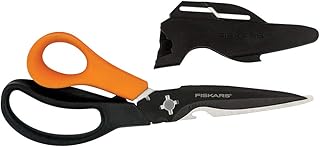
Fiskars Garden Scissors, 7-in-1 Garden Shears Multi-Tool with Sheath, Great for Plant Trimming, Cutting Nursery Pots, Bags, and Wire
Check PriceThe use of garden scissors extends far beyond simple snipping. These tools excel at tasks that demand a gentle touch. Whether you are tending a flower bed, vegetable patch, or indoor herb garden, the right snips make every cut intentional.
Deadheading Flowers for Continuous Blooms
Removing spent flowers redirects the plant’s energy away from seed production and back into fresh blooms. Use garden scissors to cut the faded flower stem just above the first set of healthy leaves or a new bud. Avoid tearing the stem by hand, which leaves a jagged wound prone to rot. Roses, marigolds, zinnias, and geraniums respond beautifully to regular deadheading with clean bypass snips.
Harvesting Herbs and Leafy Greens
A pair of sharp herb scissors lets you harvest basil, mint, cilantro, and chives without bruising. Hold the stem gently between your fingers and make a clean cut just above a leaf node. This encourages bushier growth. For salad greens like lettuce and spinach, garden scissors let you harvest the outer leaves while the center keeps producing. The clean cut heals faster and reduces wilting compared to snapping stems by hand.
Shaping Small Topiaries and Bonsai
Detailed shaping on boxwood, rosemary standards, or indoor bonsai relies on pinpoint accuracy. Garden scissors give you the control that bulky shears lack. Work slowly, trim a few leaves at a time, and step back frequently to check the silhouette. With practice, you will maintain crisp, defined shapes without stressing the plant.
Propagation and Cutting Preparation
When taking stem cuttings for propagation, the cut must be surgically clean. Use garden scissors sterilized with rubbing alcohol to slice just below a node at a 45 degree angle. This angled cut increases the surface area for root development and prevents stem end rot. The precision of fine garden scissors beats a knife or generic household scissors every time.
How to Use Garden Scissors Correctly
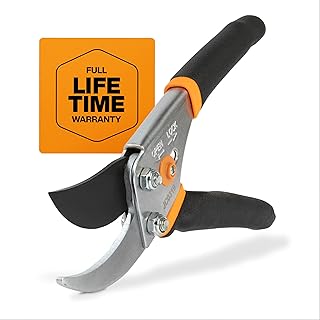
Fiskars Bypass Pruning Shears, 5/8″ Cut Capacity Gardening Scissors, Self-Cleaning Sap Groove Prevents Sticking, Non-Slip Grip for Cutting Stems & Branches, Sharp Steel Blades w/ Low-Friction Coating
Check PriceTechnique matters as much as the blade. Poor angle, dull edges, or rushed cuts can crush stems and invite fungal infections. Mastering a few simple habits elevates your gardening results instantly.
Step by Step Guide to a Perfect Cut
- Identify the exact spot you want to cut. Look for a node, a set of leaves, or a bud facing outward.
- Open the scissors fully and position the blades so the cutting edge is against the stem you want, not the bypass surface.
- Make one swift, confident squeeze. Avoid sawing or rocking the blades back and forth.
- Release pressure and let the spring return the handles open. Never force the blades apart by hand.
- Wipe the blades with a dry cloth between plants to stop disease spread.
This sequence minimizes damage and keeps the scissors sharp for longer. If you feel resistance or hear a crunching sound, the material is too woody for garden scissors. Switch to bypass pruners instead.
Adjusting Your Grip for Different Tasks
For delicate work like deadheading a pansy or snipping a chive, hold the scissors like a pen, with your thumb and index finger controlling the motion. For heavier tasks such as cutting through a clump of mint stems, shift to a full hand grip, wrapping all four fingers around one handle and your thumb around the other. This gives you more leverage without straining your wrist.
Keeping Your Garden Scissors in Top Shape
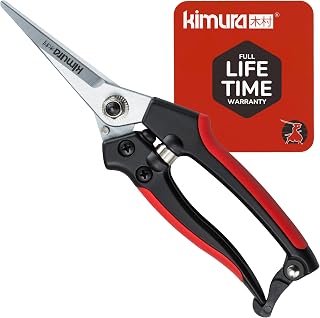
Kimura® 8″ Pro Pruning Scissors, Premium Japanese SK5 Hi-Carbon Steel Blades, Non-Slip Vinyl Coated Handles, Lightweight & Ergonomic, Multi-Tasking Pruning Shears, Garden Snips, Precision Clippers
Check PriceEven the finest scissors lose their edge with daily use. Dull blades crush instead of slice, leaving ragged wounds that attract pests and disease. A simple maintenance routine preserves the tool and your plants.
If you are looking to upgrade your toolkit, check out our comprehensive guide to the best garden scissors. Choosing a high quality pair from the start makes maintenance much easier.
Cleaning After Every Use
Sap and moisture cling to blades and promote rust. After each gardening session, wipe the blades with a damp cloth and mild soap. For sticky residue, a bit of rubbing alcohol on a cotton pad dissolves plant juices instantly. Dry thoroughly with a soft towel. Never put garden scissors away wet.
Sharpening for Razor Precision
You can refresh the edge at home with a fine diamond stone or a specialized scissor sharpener. Hold the blade at the factory bevel, roughly 20 to 30 degrees, and draw it across the stone in one direction only. Even a few strokes restore cutting performance dramatically. For detailed instructions, learn how to sharpen your pruning shears, the same principles apply to garden scissors. For more expert advice on tool care, the University of Minnesota Extension’s guide to clean and sharpen garden tools is a reliable resource.
Lubrication and Rust Prevention
A drop of camellia oil or mineral oil on the pivot screw and blade surfaces wards off corrosion. Open and close the scissors several times to work the oil into the joint. This simple step also prevents that irritating sticky feeling when the blades start to bind. Apply oil after cleaning and before storing for the off season.
Safety Tips That Protect You and Your Plants
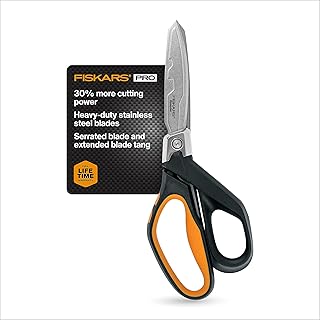
Fiskars Pro PowerArc Shop Shears, Heavy Duty Stainless Steel Scissor, Industrial Grade Tool for Building and Construction, 10 in, Orange/Black
Check Price- Always cut away from your body and keep your free hand clear of the blade path.
- Wear snug gardening gloves to improve grip and shield against accidental nicks.
- Store scissors in a sheath or a dedicated tool holster, not loose in a bag where the tips can stab you.
- Disinfect blades with isopropyl alcohol or a 10% bleach solution before moving from one plant to another, especially if you suspect disease.
- Never use garden scissors to cut wire, string, or plastic. It ruins the edge instantly.
Common Mistakes When Using Garden Scissors
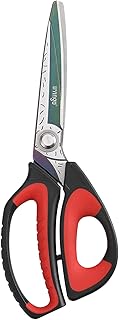
LIVINGO 10″ Heavy Duty Multipurpose Shears for Shop & Garden (Red/Black) | Forged stainless steel with titanium coating. Cuts fabric, cardboard, pruning branches, household materials, Rust-resistant
Check PriceEven seasoned gardeners slip into bad habits. Recognizing these pitfalls saves you time and keeps your greenery lush.
- Using dull blades: Forcing a blunt cut crushes plant cells. Test sharpness on a piece of paper. If it folds instead of slicing, sharpen immediately.
- Cutting woody stems: Garden scissors are meant for soft, green growth. Attempting to cut branches thicker than a pencil strains the blades and your hands.
- Skipping sanitation: A quick dip in alcohol between plants takes seconds but prevents the spread of fungal spores like powdery mildew.
- Ignoring handle comfort: Squeezing hard, uncomfortable grips leads to blisters and imprecise cuts. Invest in ergonomic scissors that fit your hand size.
- Storing tools in damp sheds: Moisture is the enemy. Keep scissors in a dry, ventilated space and add a silica gel packet to your tool drawer.
Frequently Asked Questions
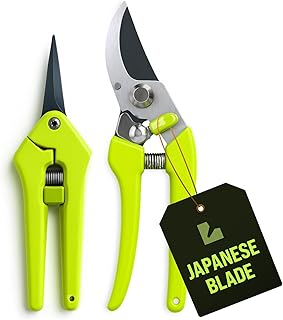
2-Pack Stainless Steel Gardening Scissors, Pruning Shears and Clippers for Gardening
Check PriceWhat is the main difference between garden scissors and pruning shears?
Garden scissors have thinner, more delicate blades designed for soft, green stems and detailed work like deadheading or herb harvesting. Pruning shears are heavier, have a stronger pivot, and can handle woody branches up to half an inch thick. Using scissors on tough wood will damage the blade and strain your hand.
Can I use garden scissors to trim houseplants?
Absolutely. In fact, they are perfect for indoor plants. Micro tip scissors let you snip yellowing leaves, prune leggy pothos vines, and shape ficus without leaving ugly stubs. Just remember to sterilize the blades first to avoid spreading any hidden pests like spider mites.
How often should I sharpen my garden scissors?
With regular use, a light sharpening once a month keeps the edge keen. If you notice the blades crushing stems instead of slicing cleanly, it is time for a touch up. Gardeners who harvest herbs daily might sharpen every two weeks.
Are anvil scissors ever better than bypass scissors?
For dead, dry material that needs crushing force, an anvil style works well. However, for 90 percent of garden tasks, bypass scissors provide a cleaner, healthier cut on living tissue. If you only own one pair, make it a quality bypass model.
What should I look for when buying garden scissors?
Focus on high carbon steel blades that hold an edge, a strong spring mechanism, and comfortable handles. Replaceable blades are a bonus. For extended sessions, lightweight construction and a safety lock are also features worth paying for. Our detailed buying guide walks you through top rated options that suit every budget.
Conclusion
The use of garden scissors is about more than convenience. It is about working with the plant’s biology, not against it. Every clean slice you make supports faster healing, stronger regrowth, and a more vibrant garden. From deadheading roses to harvesting basil for dinner, these small tools deliver big results when you treat them with respect.
Start by choosing the right style for your garden’s needs, master the basic cutting technique, and stick to a simple clean and sharpen routine. Pay attention to hand comfort and always sanitize blades between plants. Small changes like these add up season after season, giving you healthier plants and more joy in the process.
If you are ready to upgrade your toolkit, explore our recommended garden scissors and keep your blades in peak condition with the sharpening tips we shared. With the right approach, you will turn trimming into a mindful, satisfying part of your daily gardening ritual.
