
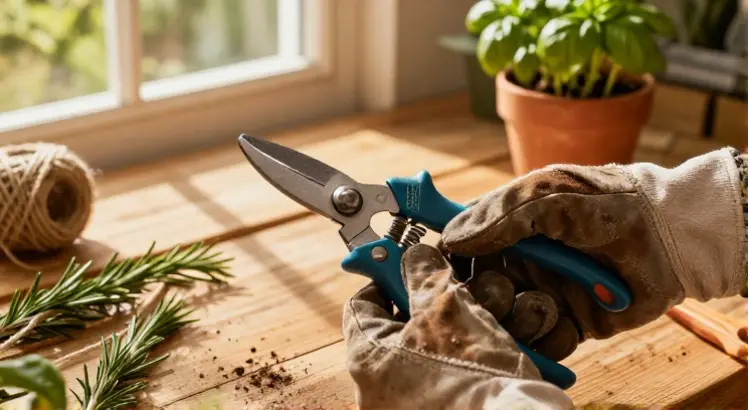
Knowing how to choose garden scissors means you never struggle with dull cuts, hand fatigue, or crushed stems again. A good pair of garden scissors makes deadheading, harvesting herbs, and shaping small plants feel effortless. This guide walks you through blade types, handle designs, and the exact features that separate a reliable tool from a frustrating one.
Understanding Garden Scissors vs. Pruning Shears
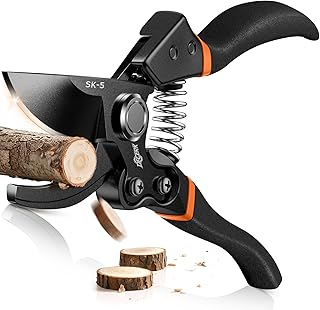
DECERK® 8.5″ Professional Pruning Shears – Cuts 4X Easier with Ultra Sharp Japanese Steel Titanium Blade, Arthritis Friendly Garden Scissors & Plant Clippers, Effortlessly Prunes 3/4″ Branches
Check PriceGarden scissors are designed for precision work on soft, green stems, while pruning shears tackle thicker, woody branches. Scissors typically have two blades that pass by each other in a cutting motion similar to stationery scissors. Pruners, on the other hand, often use a bypass or anvil mechanism and are built for far greater leverage.
The smaller, lighter build of garden scissors makes them ideal for quick, repetitive snips. You use them on flowers, herbs, vegetables, and light twine without wearing out your hand. If you try to substitute heavy loppers or bypass pruners for every small cut, you sacrifice speed and accuracy.
What sets garden scissors apart
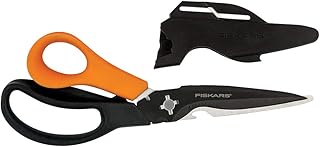
Fiskars Garden Scissors, 7-in-1 Garden Shears Multi-Tool with Sheath, Great for Plant Trimming, Cutting Nursery Pots, Bags, and Wire
Check PriceGarden scissors usually feature thinner, needle-like blades that taper to fine points. This design lets you reach tight spots inside a bushy plant or snip a single stem without damaging neighboring foliage. Many models come with a light spring action that automatically opens the blades after each cut, reducing strain during long sessions.
Another key difference is the locking mechanism. Most garden scissors include a simple thumb lock that keeps the blades closed when the tool is in your pocket or tool belt. This small detail adds safety and protects the sharp edges.
Types of Garden Scissors and Their Best Uses
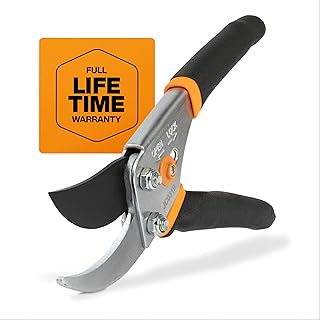
Fiskars Bypass Pruning Shears, 5/8″ Cut Capacity Gardening Scissors, Self-Cleaning Sap Groove Prevents Sticking, Non-Slip Grip for Cutting Stems & Branches, Sharp Steel Blades w/ Low-Friction Coating
Check PriceThe market offers several distinct styles, each optimized for a different set of tasks. Matching the tool to the job prevents plant damage and saves time. Below are the most common types you will encounter when figuring out how to choose garden scissors that truly fit your gardening style.
Micro-tip snips
Micro-tip snips have very narrow, pointed blades that excel at deadheading individual flowers and trimming delicate seedlings. Their needle-like tips give you surgical control, which is a huge advantage when working with trailing petunias or intricate bonsai trees. Look for stainless steel blades on these, because sap and moisture frequently coat the cutting edges.
These snips typically handle stems up to a quarter of an inch thick. Pushing them past that limit causes blade misalignment and early dulling. If you are shopping for a general do-it-all pair, you can explore our top-rated garden scissors overview, which includes versatile micro-tip options.
Herb and harvest shears
Herb scissors often come with multiple blades arranged in parallel so you can cut chives, cilantro, or parsley directly into a bowl. Some models have wide, flattened handles shaped to rest comfortably across your palm or tabletop. They make quick work of leafy greens and soft-stemmed vegetables like lettuce and spinach.
If you grow cut-and-come-again salad greens, these shears dramatically speed up the harvest. Choose a model with disassemblable blades for easy cleaning, because resin buildup from herbs can gum up the hinge over time.
Bypass garden scissors
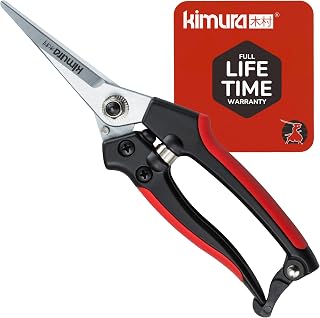
Kimura® 8″ Pro Pruning Scissors, Premium Japanese SK5 Hi-Carbon Steel Blades, Non-Slip Vinyl Coated Handles, Lightweight & Ergonomic, Multi-Tasking Pruning Shears, Garden Snips, Precision Clippers
Check PriceBypass scissors work like hand pruners on a smaller scale. One blade passes past the stationary lower blade, making a clean, scissoring cut. This action minimizes stem crushing, which helps prevent rot and disease at the cut site. They are the go-to choice for trimming soft perennials, cutting twine, and shaping small topiary plants.
High carbon steel bypass blades hold an edge longer than standard steel, but they do need a light coat of oil after cleaning to prevent rust. Many experienced gardeners pair bypass scissors with a holster so the tool is always within reach during walkabouts.
Key Features to Evaluate When You Learn How to Choose Garden Scissors
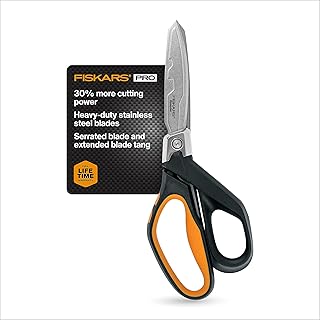
Fiskars Pro PowerArc Shop Shears, Heavy Duty Stainless Steel Scissor, Industrial Grade Tool for Building and Construction, 10 in, Orange/Black
Check PriceFocusing on the right construction details ensures your scissors feel like a natural extension of your hand. Small differences in blade material, handle shape, and spring tension add up quickly over hundreds of cuts. By understanding these features, you will know exactly how to choose garden scissors that hold up season after season.
Blade material and sharpness
Stainless steel blades resist corrosion and work well for general garden tasks where sap and humidity are constant. High carbon steel offers superior edge retention but demands regular cleaning and oiling to prevent orange spots. Some premium scissors use a titanium coating, which adds a slick, non-stick surface that sap beads off easily.
Sharpness out of the box is important, but what matters more is how the blades maintain that edge. A precision-ground edge that extends the full length of the blade gives consistent cutting from tip to pivot. Avoid scissors whose blades feel rough or show visible nicks, as they will tear stems instead of slicing them cleanly.
Handle design and ergonomics
Handles come in hard plastic, soft thermoplastic elastomer, or aluminum with cushioned grips. A contoured thumb rest and a flared finger loop reduce pressure points during long deadheading sessions. If you garden with gloves on, make sure the finger holes are large enough to accommodate the extra bulk without pinching.
Ambidextrous handles are common on straight-handled snips, which is great if multiple family members share the tool. Some scissors feature rotating handles that move slightly with your thumb, following the natural arc of your hand. This small innovation can reduce joint stress if you have arthritis or hand fatigue.
Spring mechanism and locking systems
A gentle spring action opens the blades without you having to manually pull them apart. Stronger springs assist more aggressively but can cause finger strain if the resistance is too high. The ideal spring feels barely noticeable when the scissors are closed, yet provides enough lift to reset the cut instantly.
Locking mechanisms should slide easily with one hand and stay firmly in place while you carry the tool in a pocket. A wobbly lock is a red flag, as it may slip open unexpectedly. According to the Royal Horticultural Society’s guide to selecting pruning tools, simple and robust locks add to both safety and blade longevity.
Size and weight
Compact scissors under seven inches are perfect for close-up work and easy storage in an apron. Longer blades, around eight to nine inches, give you a bit more reach inside dense foliage. Always check the weight, because even an extra ounce becomes noticeable after a few hundred snips.
Matching Scissors to Your Gardening Tasks
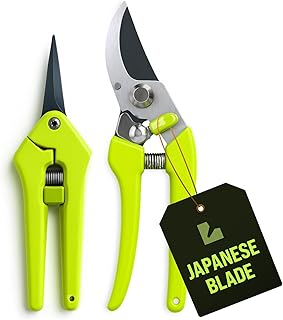
2-Pack Stainless Steel Gardening Scissors, Pruning Shears and Clippers for Gardening
Check PriceYour specific chores should drive your choice. A tool that excels at harvesting basil may fall short when you try to deadhead thick-stemmed marigolds. Thinking through your weekly tasks makes the question of how to choose garden scissors far simpler.
Deadheading and flower trimming
Deadheading requires precision. You want micro-tip or narrow bypass scissors that can reach behind a spent bloom without snipping a nearby bud. Clean, angled cuts just above a leaf node encourage reblooming. Stainless steel micro-tip snips work beautifully here, and you can learn more about proper technique in our guide on how to use garden scissors effectively.
Harvesting herbs and leafy greens
Herb shears with multiple blades speed up harvesting basil, mint, and dill for dinner. Wide-mouth bypass scissors are also a solid pick for cutting lettuce heads cleanly at the base. Whichever style you choose, sharp blades are non-negotiable, because bruised leaves wilt faster and lose flavor.
Bonsai and topiary shaping
Bonsai work demands extreme precision and control. Long handled, needle-nose scissors with a slight offset let you trim inner foliage without scraping bark. Bypass action is essential for these woody but thin stems, as anvil styles can crush tender branches and leave scars.
Maintenance That Extends the Life of Your Scissors
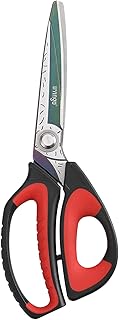
LIVINGO 10″ Heavy Duty Multipurpose Shears for Shop & Garden (Red/Black) | Forged stainless steel with titanium coating. Cuts fabric, cardboard, pruning branches, household materials, Rust-resistant
Check PriceCleaning and sanitizing
Sap, dirt, and moisture build up quickly, so give the blades a quick wipe after every use. Use a soft cloth dampened with rubbing alcohol once a week during heavy pruning seasons. This simple step prevents the spread of fungal disease from plant to plant and keeps the pivot free of sticky buildup.
If your scissors have a removable blade or a disassemble hinge, take them apart occasionally for deep cleaning. Dry all parts thoroughly before reassembly, and apply a tiny drop of mineral oil to the pivot joint. Avoid petroleum-based lubricants that could end up in your garden soil.
Sharpening techniques
Even high-quality scissors eventually dull. You can restore the edge with a fine diamond sharpener or a ceramic rod. Hold the blade bevel at the correct angle, usually around 20 to 25 degrees, and draw the sharpener along the entire edge in smooth strokes. Test sharpness on a piece of scrap paper, not your finger.
If you are uncomfortable sharpening at home, many local hardware stores offer tool sharpening services for a modest fee. Keeping a consistent edge saves effort on every cut and helps plants heal faster.
Common Mistakes to Avoid When Picking Garden Scissors
- Choosing the wrong style for the task, like using thick anvil shears on delicate flower stems, which mangles tissue.
- Ignoring the weight and handle fit, assuming all scissors feel the same after ten minutes of use.
- Skipping the locking mechanism check and ending up with a tool that pops open in a pocket.
- Buying based solely on price, because cheap blades lose their edge quickly and create jagged cuts that invite pests.
- Neglecting to clean the pivot area, which eventually makes the scissors feel gritty and stiff.
Frequently Asked Questions About How to Choose Garden Scissors
Can I use regular household scissors for gardening?
Household scissors can handle occasional light deadheading, but they are not built for constant contact with moisture and sap. Their blades dull faster, and the handles usually lack the comfort and spring mechanism that reduce fatigue. Once you try purpose-built garden scissors, you will notice the difference in cleanliness of the cut and overall control.
What blade length is best for everyday tasks?
For most home gardeners, a blade length between 1.5 and 2.5 inches covers the widest range of jobs. Shorter blades offer more control for tight spots, while slightly longer blades speed up harvesting. If you maintain a large cutting garden, consider having two pairs, one micro-tip and one standard bypass.
How do I know if the spring tension is right for me?
Open and close the scissors about twenty times in the store. Your hand should feel engaged but not tired at the end. If the spring fights you, look for a model with adjustable tension or a gentler coil spring design.
Are titanium coated blades worth the extra cost?
Titanium coatings provide a non-stick surface that resists sap buildup and light corrosion. They add value if you frequently cut sticky plants or work in humid climates. However, the coating can eventually wear off high-wear areas, so treat them as a helpful bonus rather than a permanent solution.
Conclusion
Now you know exactly how to choose garden scissors that match your plants, your grip, and your daily rhythm. Focus on the blade style needed for your most frequent tasks, test the handle ergonomics, and never overlook simple maintenance. A well-chosen pair of garden scissors makes every snip cleaner, faster, and far more enjoyable.
Start by listing the three tasks you perform most, deadheading, herb harvesting, or fine shaping, and let that guide your selection. Invest in stainless steel or carbon steel blades with a comfortable, spring-loaded handle, and keep the pivot clean and oiled. With these few habits, your scissors will serve you faithfully for years, and your garden will show the reward.
