
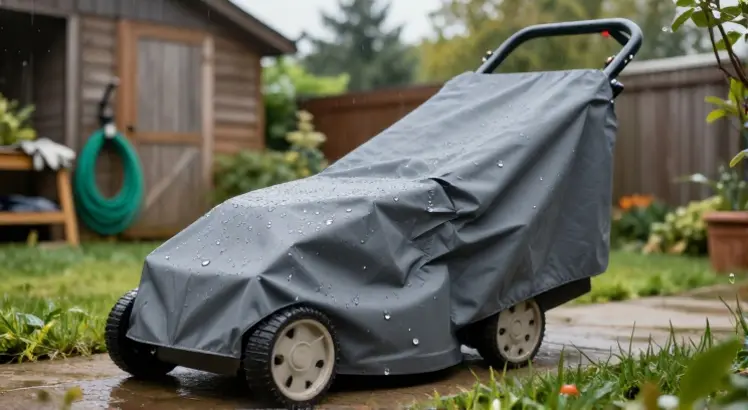
Every lawn mower is a significant investment, and nothing shortens its lifespan faster than prolonged exposure to rain, snow, and harsh UV rays. You might store your mower in a shed or garage, but many of us simply do not have that luxury. A high-quality Waterproof Lawn Mower Cover shield is your first line of defense against rust, electrical damage, and faded plastics. It is not just a piece of fabric, it is a tailor-made protective layer that can save you hundreds in repair costs down the road.
If you have ever walked out to a wet seat on your riding mower or found moisture inside the fuel system, you know the frustration well. I have tested dozens of covers under real-world conditions, from sudden downpours to week-long heatwaves. This guide will walk you through every critical factor you need to consider, from material technology to a proper snug fit, ensuring you pick the right cover for your specific machine the first time.
Why a Waterproof Lawn Mower Cover is a Must-Have Tool
Many people assume a cheap tarp is good enough, but that can actually trap moisture and cause more harm than good. A dedicated cover uses advanced breathable materials to let condensation escape while blocking external water. Understanding the real-world impact of weather on your machine helps you appreciate the value of a proper cover.
Protection Against Rust and Corrosion
Metal components such as the deck, blade spindle, and bolts are highly susceptible to oxidation when water sits on the surface. A waterproof barrier prevents this direct contact, preserving structural integrity. Even stainless steel parts will eventually develop surface rust if they are constantly exposed to rain and morning dew.
Preventing Electrical System Failures
Modern mowers, especially battery-powered and electric start models, contain sensitive wiring and circuit boards. Moisture intrusion can lead to short circuits, corroded terminals, and a non-starting engine. A properly sealed cover eliminates the risk of water dripping into ignition switches and battery compartments, which is a common repair problem we see in repair forums.
Shielding the Seat and Plastic Panels from UV Damage
Sun damage is just as destructive as water. Ultraviolet rays will crack vinyl seats, fade plastic hoods, and dry out rubber hoses. A cover with UV-resistant coating acts like sunscreen for your equipment, keeping the seat from becoming brittle and the paint from turning chalky. It is an often overlooked benefit that maintains resale value.
If you are still unsure about the risks of leaving your equipment exposed, you may want to read our detailed breakdown on whether it is safe to leave a lawn mower outside in the rain. It highlights the immediate and long-term consequences that a simple cover can prevent.
How to Choose the Best Waterproof Lawn Mower Cover
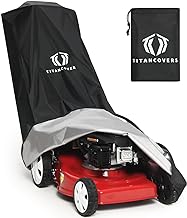
TitanCovers Push Lawn Mower Cover
Check PriceNot all covers are created equal, and the term waterproof can be misleading if you do not check the fine print. You need a fabric that balances complete water blockage with vapor permeability. Here are the core components that separate a temporary tarp from a long-lasting protective solution.
Fabric Density and Material Technology
The most reliable covers are made from 600D polyester or heavy-duty Oxford fabric with an inner polyurethane (PU) or polyvinyl chloride (PVC) coating. The D stands for denier, a measurement of fiber thickness. A higher number means a tighter weave, better tear resistance, and superior water pressure resistance. Avoid non-woven fabrics that feel like paper, they will disintegrate after one season.
The Critical Role of Air Vents
True waterproofing is useless without ventilation. If the cover is airtight, condensation will build up underneath on a warm day, essentially steaming your mower like a vegetable. Look for built-in mesh air vents positioned near the side panels. These allow heat and moisture to escape while driving out the damp air that causes mildew and corrosion.
Securing Mechanisms for Windy Weather
A cover that blows into the neighbor’s yard defeats the purpose. Premium covers feature an elastic shock-cord hem around the bottom that cinches tight. Many also include a click-close strap or a heavy-duty drawstring to secure the cover under the belly of the mower. Reflective safety strips on the seams are an added bonus for visibility if you park near a driveway.
Getting the Right Fit and Size for Your Machine

Kipiea Outdoor Lawn Mower Cover
Check PriceAn ill-fitting cover will flap in the wind, letting in dust and water, or strain at the seams and rip prematurely. The specific dimensions of your walk-behind mower, zero-turn, or riding tractor dictate which size category you need. Taking five minutes to measure your equipment eliminates the guesswork.
Measuring a Walk-Behind Mower
- Measure the total length from the front of the deck to the end of the handle
- Measure the width across the widest part of the deck
- Measure the height from the ground to the top of the handle, especially if you fold it
- Select a cover that provides at least 2 extra inches in length for air circulation
Measuring a Riding Mower or Zero-Turn
- Note the length, including any rear bagger attachment or hitches
- Account for the width of the deck and the chute deflector
- Measure the highest point of the roll bar (ROPS) if it stays in the upright position
- Universal fit covers often work, but always check the manufacturer’s max capacity guide
Once you have the dimensions, you can confidently explore our comprehensive review of the top-rated lawn mower covers on the market. That guide compares specific models, materials, and real-world durability tests to help you narrow down the choices.
Waterproof vs. Water-Resistant: Know the Difference

Himal Outdoors Push Lawn Mower Cover
Check PriceMarketing labels can confuse buyers. A water-resistant cover might handle a light mist for a few minutes before the moisture starts to seep through the weave. A waterproof cover, thanks to sealed seams and membrane backing, can withstand driving rain for hours without leaking. If your mower lives outside full-time, do not settle for anything less than a fully waterproof backing with taped seams.
Care and Maintenance of Your Cover
Even the best cover needs a little upkeep to perform its job for years. Dirt and tree sap can clog the microscopic pores of the breathable fabric over time. A simple routine keeps the material supple and the waterproof coating intact.
Cleaning Without Damaging the Coating
Shake off loose debris before removing the cover to prevent scratches. Rinse it with a garden hose and a mild soap solution, never use bleach or strong detergents that strip the waterproof lamination. Let it air dry completely in the shade before putting it back on, folding it wet is the fastest way to grow mold on the inner lining.
Storing the Cover When Not in Use
During the mowing season, you might toss it aside, but folding it neatly into a storage bag prevents punctures from sharp objects. In the off-season, store the cover indoors to avoid prolonged exposure to sub-zero temperatures that can make some PVC backings crack.
Common Mistakes to Avoid When Using a Cover
TitanCovers Push Lawn Mower Cover
Check Price- Covering a hot engine immediately after use, which can melt synthetic fabric or warp the protective coating
- Using a plastic tarp without air gaps, creating a greenhouse effect that traps condensation
- Ignoring sharp corners on the deck, which will eventually wear a hole from the inside out
- Choosing a cover that drags heavily on the ground, inviting rodents and wicking moisture up through the hem
For advanced storage strategies, you can reference professional equipment storage practices from home maintenance authorities. They emphasize the correct sequence of cooling down, cleaning, and covering to achieve maximum longevity.
Frequently Asked Questions About Waterproof Lawn Mower Covers

Patio Lawn Mower Cover
Check PriceCan I use a grill cover as a lawn mower cover?
A grill cover is typically not cut to the right dimensions and lacks the necessary air vents for engine cool-down. While the material might be waterproof, the improper fit leaves large gaps that allow sideways rain and pests to enter. It is always better to use a cover designed specifically for the mower’s profile.
Will a waterproof cover protect against freezing rain and ice?
Yes, a quality cover with a cold-crack rating can handle ice. The slick outer surface makes it easy to brush off snow before it bonds. However, you should never try to yank a frozen cover off the mower aggressively, as the fabric can tear if it is frozen solid to the metal deck.
How do I stop water from pooling on top of the cover?
Pooling happens when the cover is too loose or lacks a peak structure. You can place a small, clean inflatable ball or a purpose-made support pole under the cover on the seat to create a tent-like peak. Just ensure any prop is smooth and does not have sharp edges.
Is it safe to cover a battery-powered electric mower?
It is absolutely safe and highly recommended. Electric mowers have sensitive battery housings and display LEDs. A waterproof cover prevents moisture from seeping into the battery compartment contacts, which can cause error codes or charging issues later.
Final Thoughts on Protecting Your Mower
Investing in a lawn mower cover waterproof solution is one of the cheapest and most effective maintenance decisions you can make. A durable, breathable cover preserves your machine’s engine, electrical system, and appearance, whether it sits on a trailer, under a tree, or beside the house. The key is to measure accurately, select high-denier fabric with sealed seams, and always let the engine cool before covering up.
By securing a snug fit with click straps and checking the vent placement, you ensure that your mower remains dry and rust-free season after season. Take the time to clean the cover periodically, and it will repay you by keeping your equipment in ready-to-run condition on the first pull every spring.
