
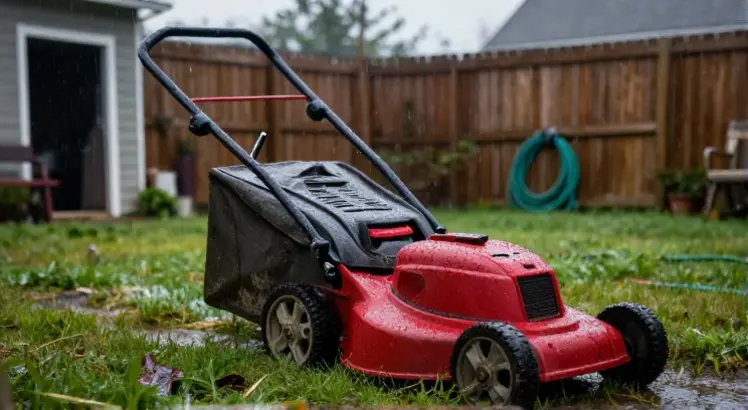
It happens to the best of us. You finish mowing the lawn, the sky looks clear, so you park the mower by the shed and call it a day. Then the weather shifts, and a sudden downpour soaks your machine. The immediate question that pops into your head is, can I leave my lawn mower outside in the rain. The short answer is no, you should not make it a habit.
Water and complex machinery are never a good combination. While a single light drizzle might not destroy your engine, repeated exposure to rain will lead to rust, electrical failures, and contaminated fuel. You need to understand exactly what happens when moisture meets metal and gasoline to protect your investment.
In this guide, we will walk through the science of water damage, the immediate risks to different mower types, and the practical steps you can take if your mower gets caught in a storm. You will also learn the best long-term storage solutions to keep your equipment running smoothly for years.
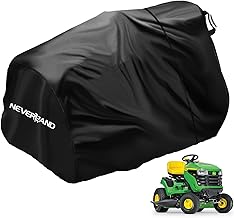
NEVERLAND Riding Lawn Mower Cover
Check PriceThe Immediate Dangers of Rain on a Lawn Mower
Rainwater is not just water. It contains minerals, pollutants, and sometimes acidic compounds that accelerate corrosion. When you leave your mower outside uncovered, you expose it to a cascade of mechanical problems that often start small but grow into expensive repair bills.
Fuel System Contamination
The fuel cap is designed to allow air to enter the tank as fuel is used, preventing a vacuum. Unfortunately, this vent can also allow rainwater to seep in if the cap seal is worn or if water pools on top of the tank. Even a few drops of water in gasoline can cause misfires, rough idling, and ethanol separation.
Ethanol-blended fuel actively attracts moisture from the air, a process called phase separation. When enough water accumulates, the ethanol and water sink to the bottom of the tank, starving the engine of proper combustion. This often leads to hard starting, especially in models with carburetors rather than fuel injection.
Electrical System Corrosion
Modern mowers, especially battery-powered and electric start gas models, rely on sensitive electronics. Rainwater finding its way into the ignition switch, safety key sockets, or battery compartments instantly triggers corrosion on copper contacts. Green or white fuzz on terminals is a classic sign of water damage that causes intermittent starting issues.
Electric mowers with sealed deck motors can handle damp grass better than standing water, but submersion in a puddle will short out the controller. Always check the IP rating of your battery-powered tools. Most are only rated for light splashing, not full exposure to heavy rain.
Metal Fatigue and Rust on Critical Parts
The mower deck takes the most abuse. Grass clippings left under the deck hold moisture like a sponge, creating an ideal environment for rust even without rain. Adding rainwater to that mix dramatically speeds up oxidation. Rust weakens the structural integrity of the deck, causing cracks near spindle mounts.
Beyond the deck, control cables, blade brake clutches, and linkage rods will seize if repeatedly wetted without lubrication. A mower that sits outside in the rain quickly develops stiff throttle and drive controls, making operation frustrating and unsafe.
Can a Lawn Mower Be Ruined by Rain? The Short-Term vs. Long-Term Reality
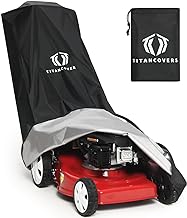
TitanCovers Push Lawn Mower Cover
Check PriceA common misconception is that a mower is ruined the moment it gets wet. That is rarely true. A single exposure to rain usually does not kill a machine outright, but it starts a countdown. The real question is whether you act fast enough to reverse the damage before it becomes permanent.
If you accidentally left your mower out and it rained overnight, do not panic. Most engines have some degree of weather resistance. The muffler and intake are positioned to minimize water entry. However, if the mower sat through an entire week of heavy spring rains, you are likely dealing with deeper issues. You can read more about these specific scenarios in our guide on whether a mower gets ruined in the rain.
Gas engines might survive better externally than electrics, but their internals suffer silently. Moisture inside the cylinder, entering through an open exhaust valve, causes rust on the cylinder wall. The next time you pull the starter cord, that rust acts like sandpaper on the piston rings, causing compression loss.
What to Do Immediately If Your Mower Got Rained On

Kipiea Outdoor Lawn Mower Cover
Check PriceYou woke up, saw the drenched mower, and dread set in. Do not try to start the engine yet. Follow these steps in order to minimize harm and save your equipment from a costly failure.
1. Disable the Ignition Source
Remove the spark plug wire on a gas mower, or pull the safety key and battery on an electric model. This prevents an accidental start while you are working. You must ensure there is zero chance of the engine firing before you inspect it.
2. Dry All Electrical Components
Remove the battery immediately and wipe it down with a clean cloth. Use compressed air or an electronics-safe contact cleaner to blow moisture out of the battery compartment, key slot, and any connectors. Allow everything to air dry for at least 24 hours in a warm, ventilated space before reinserting the battery.
3. Inspect the Air Filter and Intake
A wet paper air filter must be replaced. It collapses when soaked and restricts airflow. If the filter is foam, you can wash and dry it, but only after confirming it is fully intact. Check the air box for standing water. Even a tablespoon of water sucked into the combustion chamber can hydro-lock a small engine, bending the connecting rod.
4. Drain the Fuel Tank and Carburetor Bowl
If you suspect water entered the tank, do not try to run it. You need to drain the tank completely into an approved container. Remove the carburetor bowl if accessible, and clean out any droplets you see. Refill with fresh, stabilized fuel. This is the only sure way to avoid phase separation issues down the line.
Long-Term Storage Solutions to Avoid Rain Damage

Himal Outdoors Push Lawn Mower Cover
Check PriceThe easiest way to stop wondering, can I leave my lawn mower outside in the rain, is to make it impossible for the mower to get wet. Even if you lack a garage, you have affordable and highly effective options that protect your machine from UV rays, moisture, and pests.
Choosing a High-Quality Waterproof Cover
TitanCovers Push Lawn Mower Cover
Check PriceA breathable, waterproof cover is the bare minimum defense. Do not use a plastic tarp. Tarps trap condensation against the metal and accelerate rust rather than prevent it. A proper lawn mower cover has vents that allow air circulation while keeping rain, snow, and debris out.
When selecting a cover, look for durable polyester with a waterproof coating, an elastic hem for a snug fit, and straps to keep it from blowing away. We have tested several options to find the most reliable protection, and you can explore the top-rated choices in our review of the best lawn mower covers available right now.
Building a Simple Protective Shed
If your property allows it, a compact horizontal storage shed pays for itself by extending the life of all your garden tools. Even a small plastic resin shed placed on a level gravel pad will keep rain, sun, and wind off the mower. Look for designs with built-in ventilation to prevent the greenhouse effect on hot days.
Indoor Storage Best Practices
Storing the mower in a garage or basement is ideal, but only if you manage a few risks. Never park a hot mower next to stored gasoline, fertilizers, or propane tanks. Allow the engine to cool completely before moving it indoors. Placing a drip tray underneath catches any residual oil or fuel that might seep from the carburetor.
Does the Type of Lawn Mower Matter?

Patio Lawn Mower Cover
Check PriceRain does not treat all mowers equally. Understanding the vulnerabilities of your specific machine helps you tailor your response when it gets wet.
- Gas Push Mowers: The air-cooled engine, exposed carburetor linkage, and steel deck make these the most susceptible to rust and water in fuel. The recoil starter housing can also collect water, leading to rope and spring corrosion.
- Battery Electric Mowers: The plastic deck will not rust, but the electronics are vulnerable. Battery casings are sealed, yet the interface between battery and mower is often a weak point. Any moisture in the contacts can cause the mower to refuse to start as a safety precaution.
- Riding Mowers: Leaving a riding mower in the rain risks damage to the seat switch, hour meter display, and deep water pooling in the footwells. The belt pulleys rust over time, causing belts to slip and snap prematurely.
- Robotic Mowers: Most robotic mowers are rated for rain and return to their charging station when it gets heavy. However, leaving them out in a downpour with extremely tall grass can bog them down and expose charging contacts to excessive moisture.
Common Myths About Wet Lawn Mowers

Tough Cover Lawn Mower Cover
Check PriceMany old-school tips cause more harm than good when dealing with a rain-soaked mower. Let us debunk a few persistent myths that circulate in backyard mechanic circles.
Myth: Running the engine will dry it out.
Fact: Starting a wet engine with water in the oil sump or air intake causes immediate mechanical damage. You must verify there is no water intrusion before you crank the engine, not the other way around.
Myth: Spraying WD-40 everywhere fixes everything.
Fact: While water displacement sprays help dry electrical contacts, they are not a substitute for proper drying and replacement of saturated filters and oil. Over-spraying on belts and pulleys attracts dirt and creates a grinding compound.
Myth: Electric mowers are waterproof.
Fact: Unless the mower specifically carries an IPX5 or higher rating, it is water-resistant only, not waterproof. Submersion or direct downpour on controls will void warranties and short internal boards.
Maintenance Habits That Counteract Weather Exposure
An overlooked truth is that a well-maintained mower survives an accidental rain shower much better than a neglected one. A fresh coat of paint or lubricant is a sacrificial barrier. Here is how to harden your machine against the unexpected.
- Apply a silicone spray under the deck after every third use. This prevents moist clippings from bonding to the metal and keeps rust at bay.
- Replace fuel cap gaskets annually. A tight seal stops humidity from entering the tank through the vent line, a crucial safeguard against phase separation in ethanol blends.
- Pack electrical connectors with dielectric grease. This gel keeps oxygen and water off the metal contacts while maintaining electrical conductivity.
- Inspect the air filter housing drain. Many engines have a small rubber duckbill or mesh drain at the bottom of the air box to release water. Ensure it is not clogged with debris.
According to a detailed maintenance guide from Family Handyman, routine checks on fuel stability and engine breathing dramatically reduce weather-related failures over the life of the equipment.
Frequently Asked Questions
Is it okay if my lawn mower gets rained on once?
A single light rain shower will not immediately destroy a well-maintained mower. However, you should dry it thoroughly before the next use. Pay special attention to the air filter, fuel cap area, and any electrical connections. Starting the mower while the ignition components are wet can cause misfires and hard starting.
How long can a mower sit in the rain before damage occurs?
Damage begins within hours for bare metal surfaces as oxidation starts. Functional damage, such as water entering the fuel system, can happen overnight if seals are worn. If a mower sits outside for weeks of continuous rain, expect deep rust pitting, seized cables, and completely contaminated fuel.
Will a lawn mower cover protect against heavy rain?
Yes, a high-quality breathable cover will keep the mower dry in heavy rain. Ensure the cover has vents to prevent condensation and straps to stop wind from blowing it off. Avoid impermeable plastic covers that trap moisture underneath. A breathable solution is always superior for long-term outdoor storage.
Can I use a pressure washer to clean my mower after it rains?
No, using a pressure washer forces water into bearings, seals, and electrical connectors, compounding the damage from rain. Use a gentle stream of water, a brush, and a leaf blower to dry the mower. High-pressure water will strip away lubricants and push moisture past gaskets that rain alone would never breach.
Conclusion
So, can I leave my lawn mower outside in the rain? You can, but you absolutely should not. The cumulative effects of moisture on fuel, electronics, and metal will steadily degrade performance and reliability. A little prevention today prevents a big repair bill tomorrow.
The best approach is a layered one. Invest in a quality breathable cover, store the mower under a shelter when possible, and develop a habit of post-rain inspection. If your mower does get soaked, do not rush to start it. Take the time to dry the ignition, drain suspect fuel, and replace the air filter. These simple steps preserve compression and keep your lawn equipment ready for the next cut, rain or shine.
