
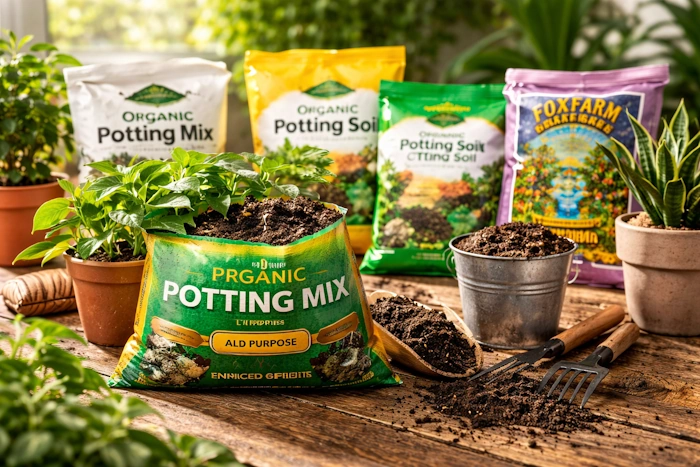
Finding the best organic potting soil for your indoor plants can feel overwhelming with so many options available. Each plant has unique needs, and using the wrong soil mix can lead to poor growth, root rot, or pest problems. This guide breaks down the top organic potting soils to help you make an informed choice for your indoor garden.
Whether you’re growing herbs, tropical plants, or succulents, the right soil mix provides proper drainage, nutrients, and aeration. We’ve tested and reviewed the best options to save you time and ensure your plants thrive. From peat-free formulas to mixes enriched with biochar and worm castings, there’s something here for every indoor gardener.
Quick Answer: Best Overall
The Rosy Soil Indoor Potting Soil stands out as the best overall choice for most indoor gardeners. Its peat-free formula, enriched with biochar, promotes healthy root growth while being resistant to gnats. Available in multiple sizes, it works well for a variety of houseplants from herbs to tropical foliage.
Best Organic Potting Soil for Indoor Plants of 2026
1. Rosy Soil Indoor Potting Soil for House Plants – Best Overall for Home Use

Key points:
– Peat-free and enriched with biochar
– Promotes root growth and nutrient uptake
– Resistant to fungus gnats
– Available in 4qt and 8qt sizes
– Suitable for herbs, flowers, and foliage plants
– Mid-range price point
Pros:
– Excellent drainage and aeration
– Environmentally friendly ingredients
– No unpleasant odors
– Works well for most indoor plant types
– Less prone to pest problems
Cons:
– Slightly more expensive than basic mixes
– May dry out faster than traditional peat-based soils
– Limited availability in some regions
Best for: Indoor gardeners who want an all-purpose, eco-friendly soil that works well for most houseplants without the worry of pest problems.
2. Craft Organic Houseplant Potting Mix – Best for Tropical Plants

Key points:
– Chunky texture for superior drainage
– Peat-free and sustainable
– 2QT size perfect for smaller collections
– Specifically formulated for tropical plants
– Budget-friendly price point
– Less prone to gnats
Pros:
– Excellent for aroids and tropicals
– Prevents root rot with superior drainage
– Eco-friendly ingredients
– Good value for the quality
– Easy to work with
Cons:
– Not ideal for moisture-loving plants
– May need amendment for very large plants
– Limited to smaller size options
Best for: Plant parents with tropical collections who need a specialized mix that prevents overwatering and root rot.
3. Organic Seed Starter Premium Potting Soil Mix – Best for Germination

Key points:
– Fine texture ideal for seed starting
– Promotes fast germination
– All-natural ingredients
– 1qt size perfect for small projects
– Budget-friendly
– Formulated for strong root development
Pros:
– Excellent for starting seeds
– Lightweight and easy to handle
– Good value for seed starting
– Consistent results
– No added fertilizers that might burn seedlings
Cons:
– Not suitable for mature plants
– Small package size
– May need to be supplemented for long-term growth
Best for: Gardeners starting plants from seeds who need a specialized mix that supports early growth stages.
4. Herbs and Leafy Greens Soil – Best for Edible Plants

Key points:
– Formulated specifically for herbs and greens
– Premium organic nutrients
– Ready to use out of the bag
– 2QT size good for multiple plants
– Promotes fast growth
– Budget to mid-range price
Pros:
– Perfect nutrient balance for edibles
– No need for additional fertilization initially
– Safe for growing food
– Good value for edible plant enthusiasts
– Consistent results
Cons:
– Limited to herbs and greens
– May be too rich for some houseplants
– Smaller package size
Best for: Kitchen gardeners and herb enthusiasts who want to grow fresh basil, mint, lettuce, and other edibles indoors.
5. Organic Mechanics Premium Blend Potting Soil – Best Premium Option

Key points:
– Contains worm castings for nutrients
– Moisture-retentive formula
– 16qt large size
– Peat-free and organic
– Suitable for houseplants, veggies, and tropicals
– Premium price point
Pros:
– Excellent nutrient content
– Good moisture retention
– Large size offers best value
– Versatile for many plant types
– High-quality ingredients
Cons:
– Higher price point
– May retain too much moisture for some plants
– Heavy bag to handle
Best for: Serious indoor gardeners with diverse plant collections who want premium quality and don’t mind investing in better soil.
6. Michigan Peat Garden Magic Potting Soil – Best Budget Option

Key points:
– Large 40-pound bag
– General-purpose formula
– Moisture-retaining
– Budget-friendly price
– Suitable for indoor and outdoor use
– Traditional mix with peat
Pros:
– Excellent value for money
– Large quantity lasts a long time
– Works well for most plants
– Readily available
– Good moisture retention
Cons:
– Contains peat (less eco-friendly)
– May need amendment for specific plants
– Can attract fungus gnats
– Basic formula without special additives
Best for: Budget-conscious gardeners with large plant collections or those who do frequent repotting and need a reliable, affordable option.
7. 3QT Potting Soil Mix for Indoor Plants – Best Balanced Formula

Key points:
– Balanced blend of multiple ingredients
– Well-draining and aerated texture
– 3QT convenient size
– Natural and organic materials
– Promotes healthy roots and fast growth
– Mid-range price point
Pros:
– Good all-around performance
– Well-balanced formula
– Suitable for various plant types
– Natural ingredients
– Good value for quality
Cons:
– May need amendment for specific plants
– Limited to 3QT size
– Not specialized for any particular plant type
Best for: Gardeners who want a reliable, all-purpose mix that works well for a variety of indoor plants without breaking the bank.
8. Legigo Coco Coir Pellets – Best for Seed Starting

Key points:
– 50 compressed coco coir pellets
– 30mm size perfect for seeds
– Organic and sustainable
– Easy to use and store
– Great for seedlings and cuttings
– Budget-friendly bulk option
Pros:
– Extremely convenient and mess-free
– Perfect for seed starting
– Sustainable alternative to peat
– Good value for quantity
– Easy to store and transport
Cons:
– Not suitable for mature plants
– Requires rehydration before use
– Limited to small plants/seedlings
Best for: Gardeners who frequently start seeds or propagate cuttings and want a convenient, sustainable option.
How to Choose the Best Organic Potting Soil for Indoor Plants
Selecting the right organic potting soil depends on your specific needs. Consider what types of plants you’re growing – tropical plants need excellent drainage, while herbs and leafy greens benefit from nutrient-rich formulas. Think about your experience level too; beginners might prefer ready-to-use mixes, while experienced gardeners might want to customize their soil.
Also consider practical factors like bag size and storage space. If you have many plants or do frequent repotting, larger bags offer better value. For those with limited space or smaller collections, compact sizes prevent waste. Don’t forget to factor in your budget – premium mixes offer special benefits but basic organic soils can work well too with proper care.
Common Mistakes to Avoid
One common mistake is using garden soil for indoor plants – it’s too dense and can introduce pests. Another is choosing the wrong soil for your plant type; succulents need fast-draining mixes while tropicals prefer moisture-retentive formulas. Many gardeners also overwater when using moisture-retentive soils, leading to root rot.
Don’t forget to consider pot size and drainage holes when selecting soil. Large pots may need amendments to prevent waterlogging, while small pots might need moisture-retaining ingredients to prevent constant drying. Finally, avoid the temptation to use outdoor soil indoors, as it can harbor pests and diseases harmful to your houseplants.
Frequently Asked Questions
Q: What makes potting soil organic?
A: Organic potting soil contains natural ingredients without synthetic fertilizers or pesticides. It typically includes components like compost, peat, coco coir, and natural amendments that provide nutrients through biological processes rather than chemical additives.
Q: Can I use regular garden soil for indoor plants?
A: No, garden soil is too dense for containers and can cause drainage problems. It may also contain pests, diseases, or weed seeds. Always use potting mix specifically formulated for container growing.
Q: How often should I replace potting soil?
A: Most indoor plants benefit from soil replacement every 1-2 years. Signs you need to repot include poor growth, water running straight through, or visible salt buildup on the soil surface.
Q: Is peat-free soil better for the environment?
A: Yes, peat-free soils are more sustainable since peat harvesting can damage wetland ecosystems. Alternatives like coco coir and biochar provide similar benefits without environmental concerns.
Q: Why does my soil attract gnats?
A: Fungus gnats thrive in moist soil with organic matter. Using well-draining mixes, allowing soil to dry between waterings, and choosing gnat-resistant formulas can help prevent these pests.
Q: Can I mix different potting soils?
A: Yes, you can customize soil by mixing different types. Many gardeners amend basic potting soil with perlite for drainage or worm castings for nutrients to create the perfect blend for their plants.
Q: How much soil do I need for my pots?
A: A good rule is to fill pots so the soil line is about 1 inch below the rim. This allows room for watering without overflow. Most potting soil bags list how many pots they’ll fill by size.
Q: Should I fertilize plants in organic potting soil?
A: Organic soils contain some nutrients, but most plants benefit from additional fertilization during the growing season. Use organic fertilizers compatible with your soil for best results.
Q: What’s the difference between seed starting mix and potting soil?
A: Seed starting mix is finer, sterile, and lower in nutrients to prevent burning delicate seedlings. Potting soil is coarser and contains more nutrients for established plants.
Q: How do I store leftover potting soil?
A: Keep unused soil in a sealed container in a cool, dry place. Moisture can cause mold growth and nutrient breakdown. Properly stored soil can last 6-12 months.
Conclusion
Choosing the best organic potting soil for your indoor plants comes down to understanding your plants’ needs and your gardening style. The Rosy Soil Indoor Potting Soil emerges as the top choice for most indoor gardeners, offering an excellent balance of performance, sustainability, and pest resistance. For those with specific needs, options like the Craft Organic mix for tropicals or the Organic Mechanics blend for premium quality provide specialized benefits.
Remember that even the best soil works best when paired with proper watering habits and appropriate containers. Start with a quality organic mix, observe how your plants respond, and don’t be afraid to make adjustments. With the right soil foundation, your indoor garden will reward you with healthy growth, vibrant foliage, and the satisfaction of nurturing thriving plants in your home. Before planting outdoors, make sure your ground is properly prepared using the best rake for leveling soil for a flat, well-balanced surface.
